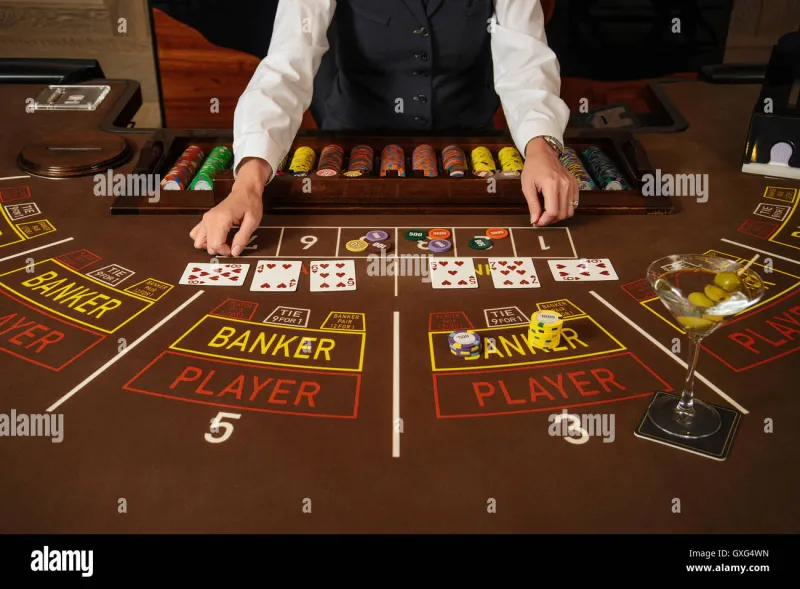
The Quiet Hours Advantage: How Weekday Baccarat Sessions Differ From Weekend Play

Photo by Photo by Keenan Constance on Unsplash on Unsplash
Baccarat at a Las Vegas or Atlantic City casino is often imagined as a Saturday-night spectacle: crowded tables, raised minimums, and a current of excitement that encourages loose decisions. The weekday afternoon table is a different environment. It is quieter, often cheaper, and frequently more revealing about a player's habits. For serious players, the weekday session is not a lesser version of the weekend game. It is a laboratory for discipline.
The Table Minimums Tell a Different Story
On a Saturday night, a $50 or $100 minimum baccarat table is common in major US markets. On a Tuesday afternoon, the same casino may open a $10 or $25 table, sometimes with the same rules and shoe depth. Lower minimums do not change the house edge, but they change the cost of learning. A player can practice bet sizing, session pacing, and decision-making without exposing a large bankroll. The practical effect is that weekday play allows more hands per dollar of risk, which is useful for building habits.
Dealer Pace and the Rhythm of a Quiet Table
Weekday dealers often move at a steadier pace. With fewer players and less commotion, hands can be dealt more quickly, but the absence of crowd noise also makes it easier to think. The rhythm is less theatrical. The squeeze ritual may be abbreviated. Players who rely on the social energy of a full table may find the quiet table uncomfortable at first. That discomfort is informative. It shows how much of their decision-making was tied to atmosphere rather than analysis.
Crowd Behavior and the Vacation-Player Mindset
Weekend tables attract vacation players. That is not a criticism; it is a description. Vacation players often bet more freely, chase losses, and treat the table as entertainment. Their behavior can influence the mood of the table and the pace of play. Weekday tables tend to have more local regulars and fewer spectators. The vacation-player mindset—the sense that money is part of the trip rather than part of a plan—is easier to avoid when the room is calm. Serious players can use that calm to rehearse the discipline they want to carry into busier sessions.
Comps, Etiquette, and the Practical Differences
Comps are calculated from time on device and average bet, not from the day of the week. A weekday player may receive similar offers for a smaller average bet because the casino values filled seats during slower hours. Etiquette differences are subtle. Weekday tables are often more conversational, but the conversation is quieter. Players may know the dealers by name. The unwritten rules of the table—don't touch the cards, don't comment on other players' bets, don't slow the game—remain the same.
Building a Weekday Practice Routine
A weekday session can be structured as a practice routine. Set a session bankroll before you arrive. Choose a table minimum that allows at least 40 to 60 units. Play a fixed number of hands or a fixed amount of time. Record your decisions, not just the outcomes. At the end, review whether you followed your plan. The lower minimums and calmer environment make this kind of review more practical than it would be on a crowded Saturday night.
When the Weekend Table Is the Right Choice
The weekday table is not universally superior. Some players enjoy the social energy of a full table, and that enjoyment is a legitimate part of the experience. The point is to choose deliberately. If you play on a weekend, know that the environment is designed to encourage faster, larger, and more emotional decisions. If you play on a weekday, know that the quiet can be used for practice or wasted on autopilot. The table does not decide for you.
The Quiet Hours Advantage
The advantage of weekday baccarat is not a secret rule or a hidden edge. It is the opportunity to practice under conditions that reward patience. Lower minimums stretch a bankroll. A calmer table makes it easier to observe your own behavior. Fewer vacation players means less social pressure to bet beyond your plan. For players who want to master the table rather than merely visit it, the quiet hours are worth taking seriously.